What Is Kratom?
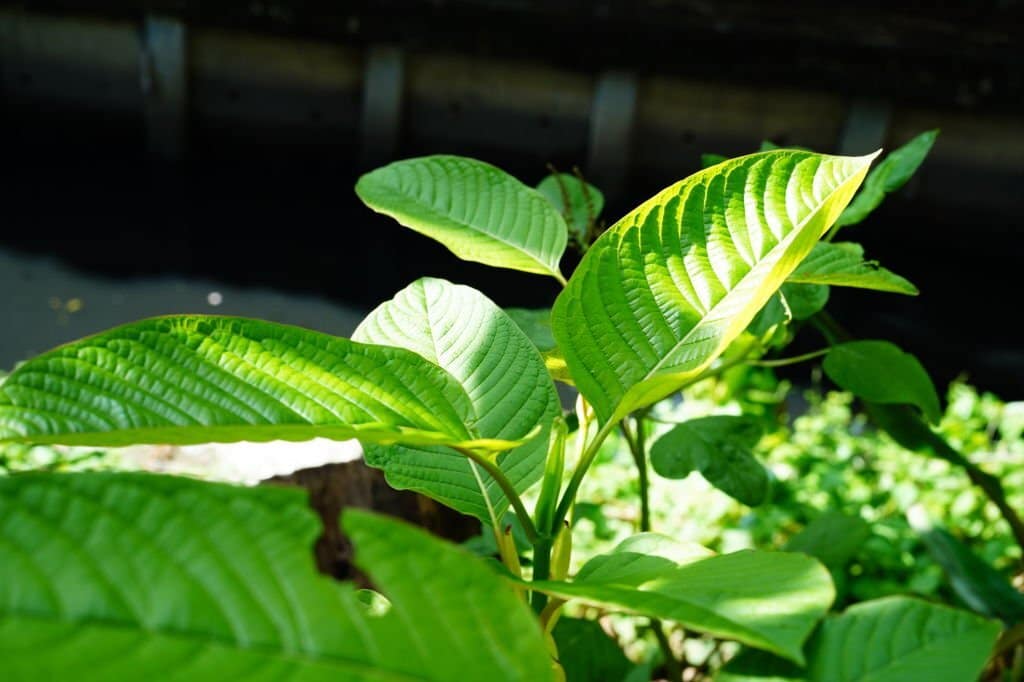
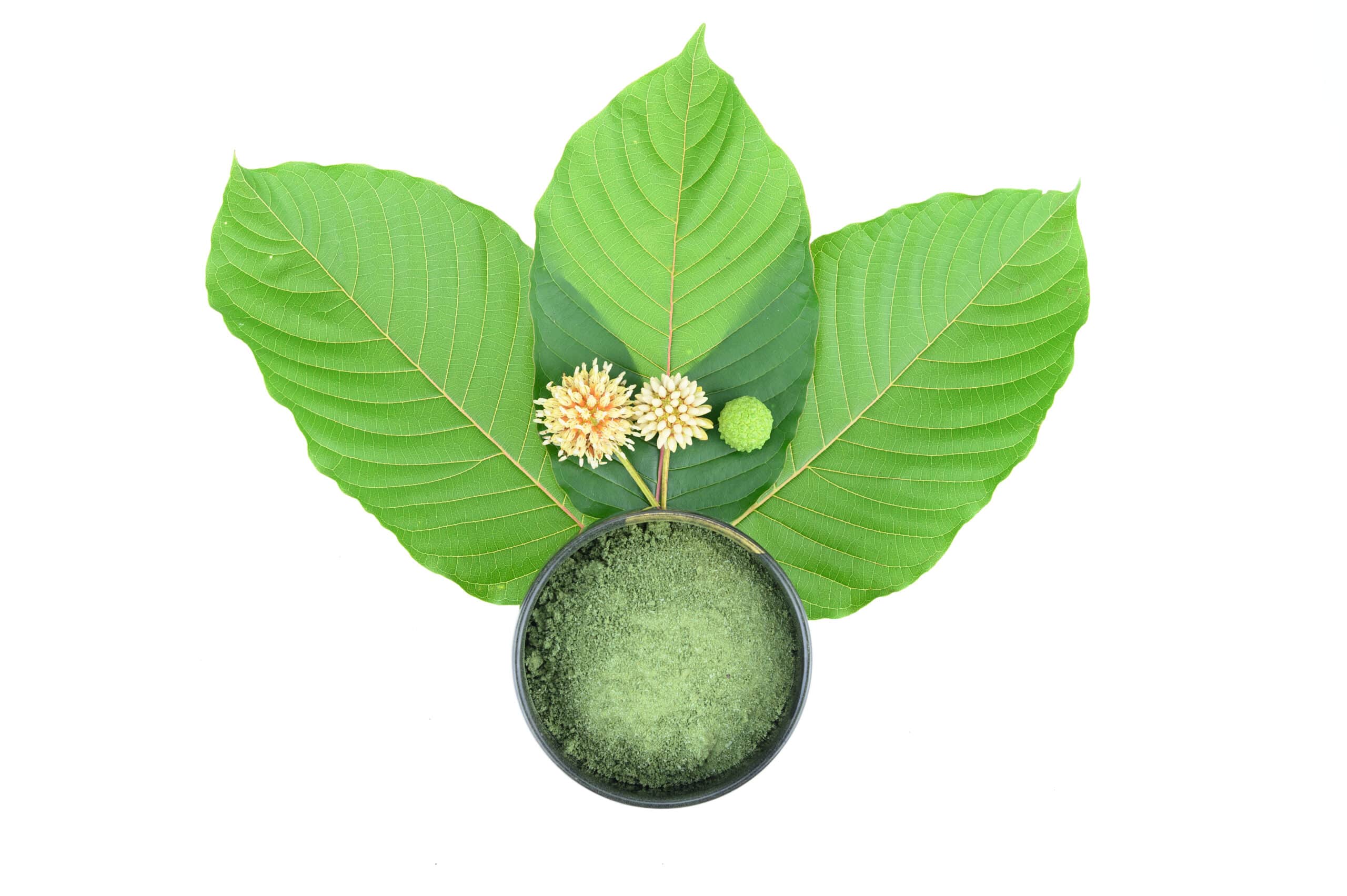
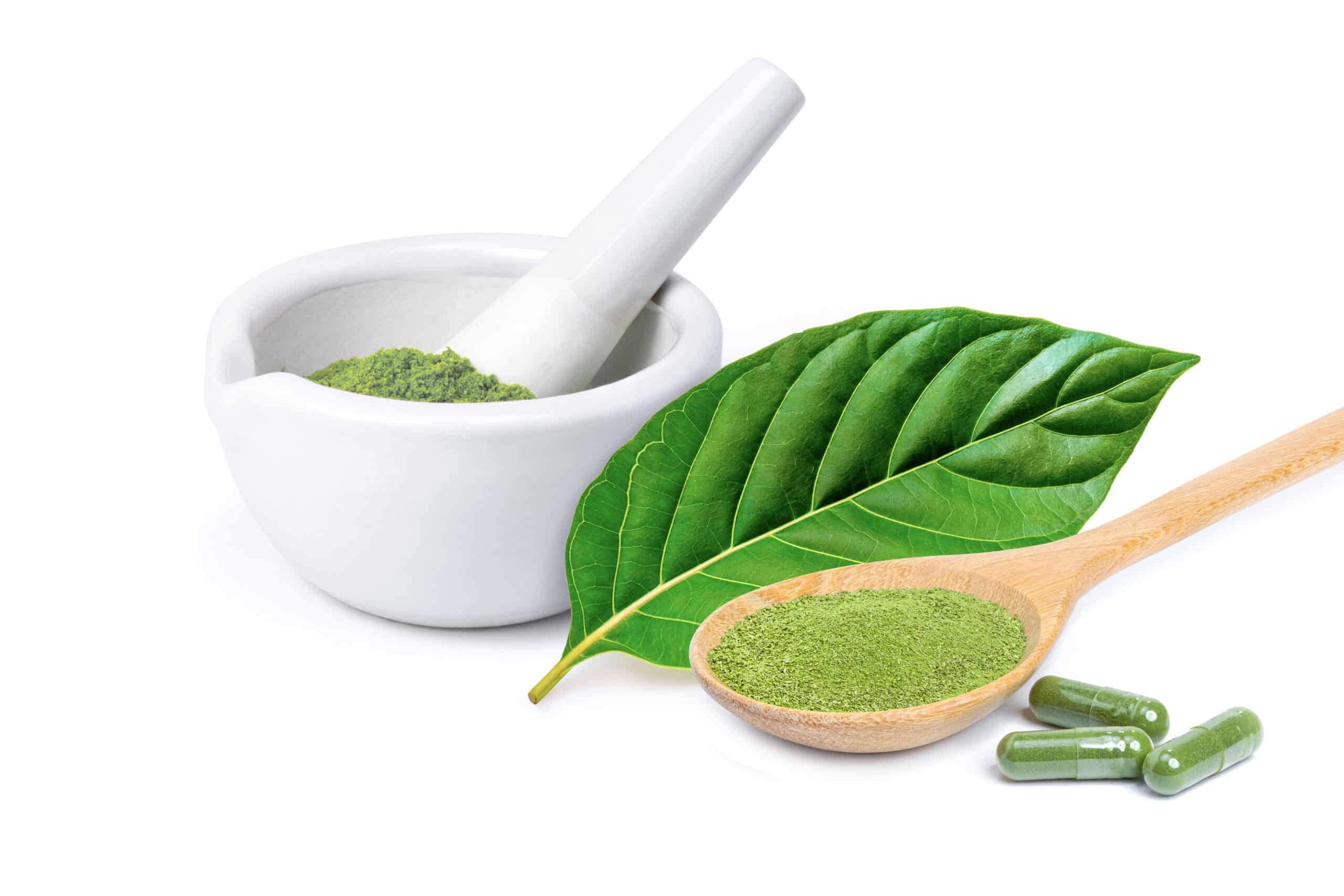
Kratom (Mitragyna speciosa) is a tropical tree native to Southeast Asia, where its leaves have been part of traditional practices for generations. Today, kratom is known in many parts of the world and is primarily available as a powder made from dried and ground leaves.
What Does Kratom Contain?
Kratom naturally contains a variety of plant compounds known as alkaloids. Among the most studied are mitragynine and 7-hydroxymitragynine, although the plant contains many other compounds in varying amounts.
Alkaloid composition can vary depending on factors such as the plant, the origin of the leaves, and how they are processed. These compounds are one of the main reasons Mitragyna speciosa has attracted scientific interest and continues to be the subject of research.
Why Has Kratom Attracted Interest?
Interest in kratom has grown as its traditional use in Southeast Asia has become more widely known in other parts of the world. At the same time, researchers have begun studying the plant and its naturally occurring compounds in greater detail.
Kratom has also attracted attention because experiences reported by consumers can vary considerably. Factors such as the characteristics of the plant material, its composition, processing, and individual differences may all contribute to this variation.
This growing interest has led to more scientific research aimed at better understanding Mitragyna speciosa and its compounds.
What Does Research Say About Kratom?

Scientific research on kratom has increased in recent years. Studies have examined its alkaloids, their interactions with different systems in the body, and the chemical characteristics that can vary among different samples of Mitragyna speciosa.
Much of the available information still comes from laboratory studies, observational research, and consumer reports. For this reason, more clinical research is needed to better understand the potential effects, risks, and interactions of kratom.
